Star Trail Stacker features, each with its evidence
Star Trail Stacker stacks star trails with each frame's sky equalised, removes verified aircraft and satellite lines before stacking, and builds fixed-ground nightscapes, registered deep-sky FITS, comet and planetary stacks and calibration masters — all in your browser, with no upload.
Open the stacker Watch each mode on a real night →
Each section is one thing it does: one picture of it, a link that opens that mode, and the page that holds the evidence. Nothing is uploaded; the frames are read in your browser.
Star trails, with every frame's sky evened out first
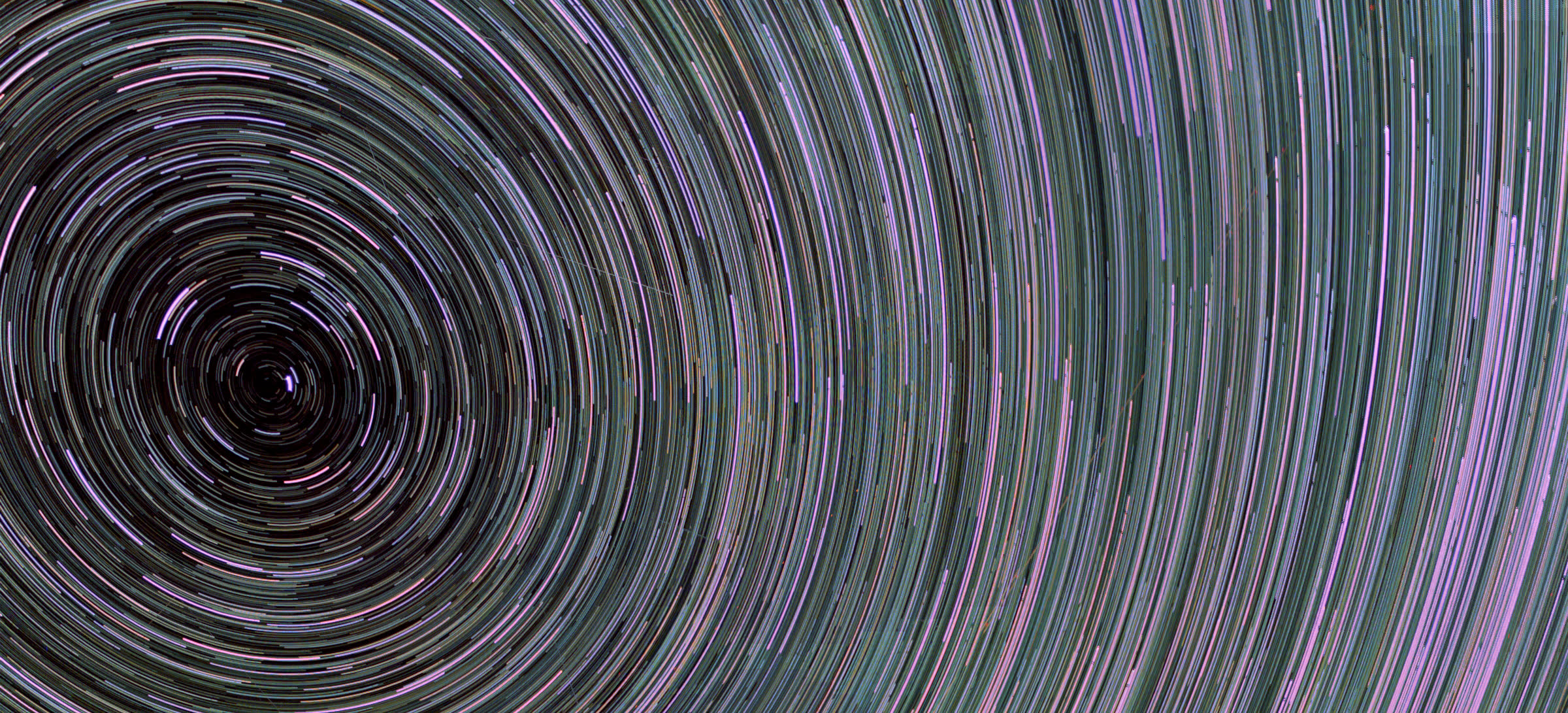
A plain lighten stack lets the brightest sky of the night decide what survives; here each frame's own background is taken out before the frames are combined. Click any pixel of a finished trail and it names the frame that made it.
Aircraft and satellite lines taken out before the stack
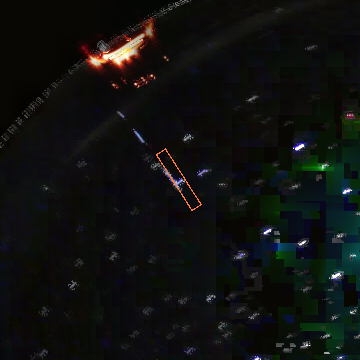
Neighbouring frames are compared before anything is stacked, each proposed line is measured again on the full-resolution original, and what is replaced comes from observed neighbouring sky. On the credited Yebes Observatory night shown here, every one of the 3,273 masked samples matched an observed donor exactly.
Stack a night with line removal
The evidence
Nightscapes: the sky stacked, the ground left sharp
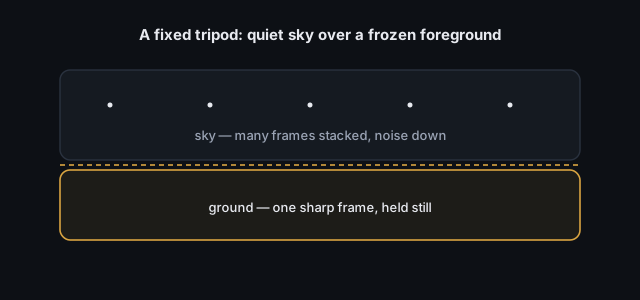
The sky is stacked, and the ground is copied from one frame you choose, joined along a sky region you mark. Nothing here can register, warp or reconstruct a foreground.
Deep sky: registered, integrated, written as FITS
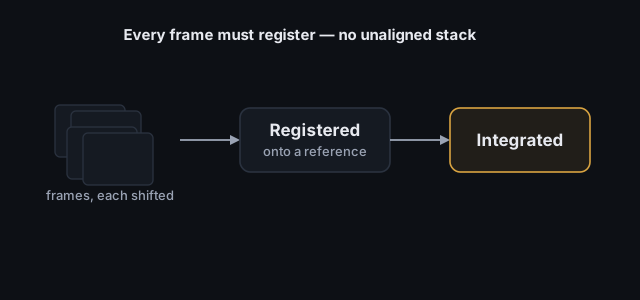
Lights are registered against a reference you choose, integrated by mean, exact median or sigma-clipped mean, and written as a signed, unclamped 32-bit FITS as well as a picture. Sigma clipping refuses fewer than eight Lights before a single file is decoded.
Comet: stars sharp, comet sharp, and the composite
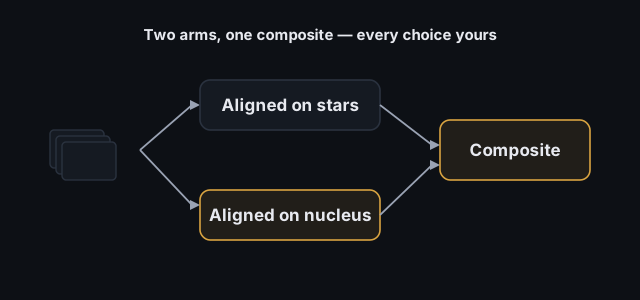
You mark the nucleus on every frame; out come a star-registered stack, a comet-registered stack and the composite on one exact grid. Nothing about a nucleus is ever guessed for you.
Planetary: the sharpest frames of one capture
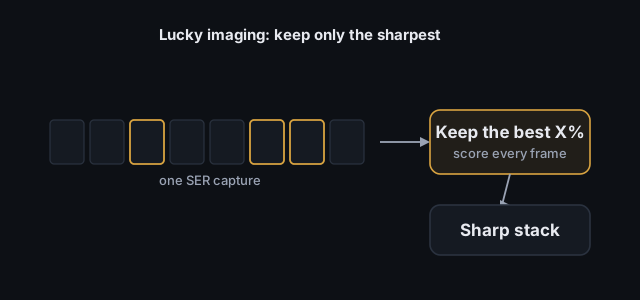
One SER capture, or one of the named AVI subsets, is validated before a single frame is read, scored frame by frame, and the best of it is stacked. The region, the reference frame and how many of the best frames to keep are your three choices.
Calibration masters you build once and reuse
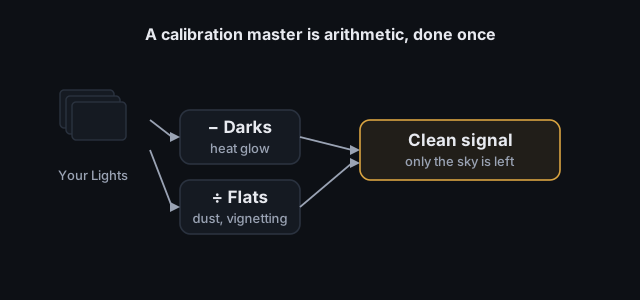
Darks, flats, bias and dark-flats become reusable master FITS, built in your browser. Frames are sorted into compatibility groups deterministically and loaded one at a time, so a session needs the memory of one frame rather than of all of them.
What it reads, on your own device
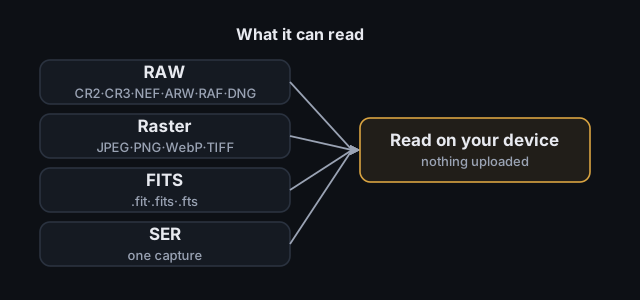
Photo modes take JPEG, PNG, WebP and TIFF; camera RAW, FITS and SER are read in the modes that support them, and the format page lists what has actually been through it. Your photographs never leave your device: this static site has no image-upload endpoint, and processing happens inside your browser.
How it compares with a plain lighten stack
What a star-trail stacker should do, and most miss sets this tool beside a plain lighten stack, line by line, with the measurement behind each difference. Measured beside a desktop star-trail app runs it against a paid desktop stacker on one laptop, including where this tool was slower.